Research
Computational models of behaviour, search, and information
The research programme combines data-driven modelling with interpretable dynamical descriptions. Its central focus is eye movement as a structured time series, with related work in stochastic search, evolutionary dynamics, and quantum computation.
Eye-tracking
Eye-tracking and gaze dynamics
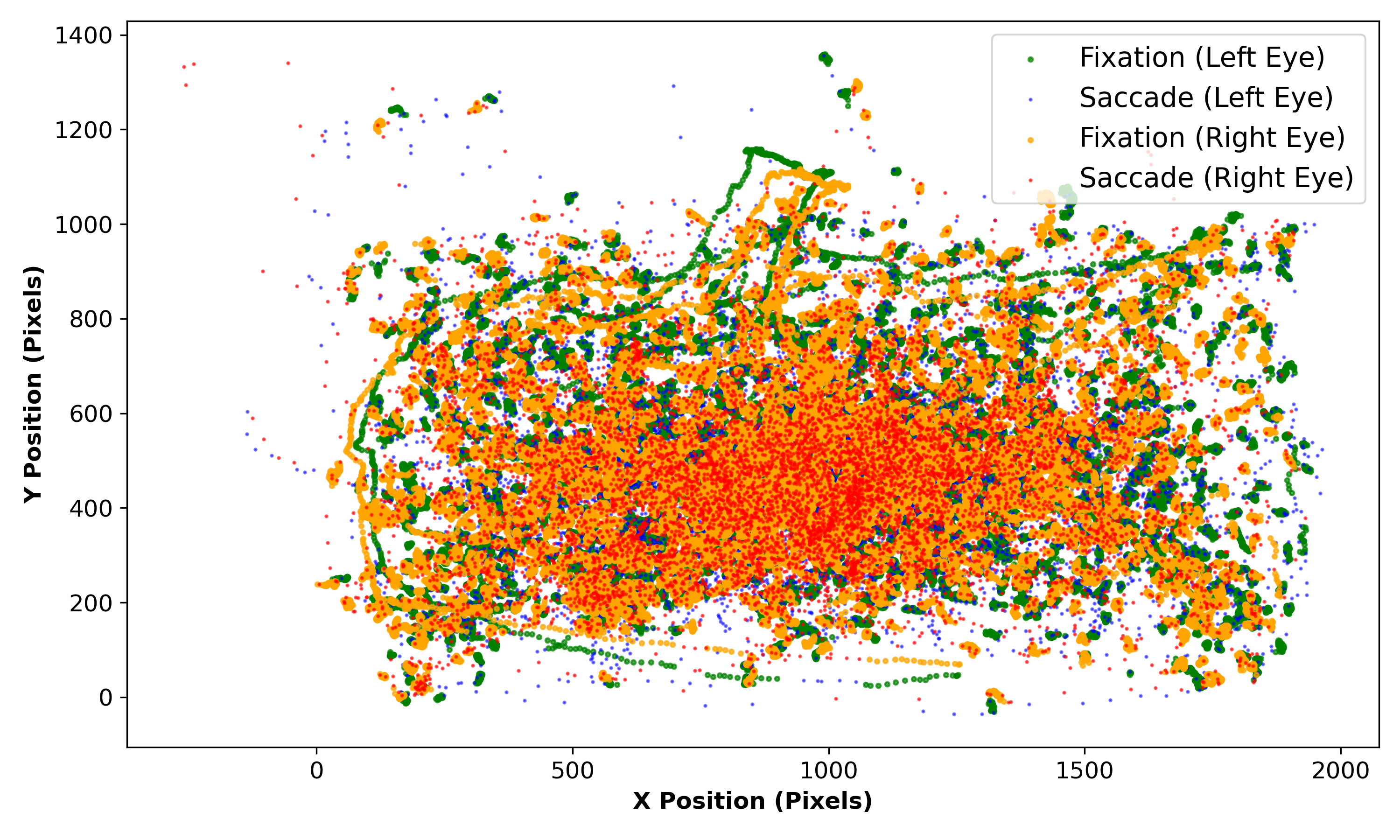
This work analyses gaze position and velocity, fixations, saccades, pupil dynamics, and task-dependent changes in visual behaviour. Methods include threshold-based event detection, feature-based analysis, time-series representations, and applications to behavioural and clinical datasets.
Generative modelling
Synthetic behavioural trajectories
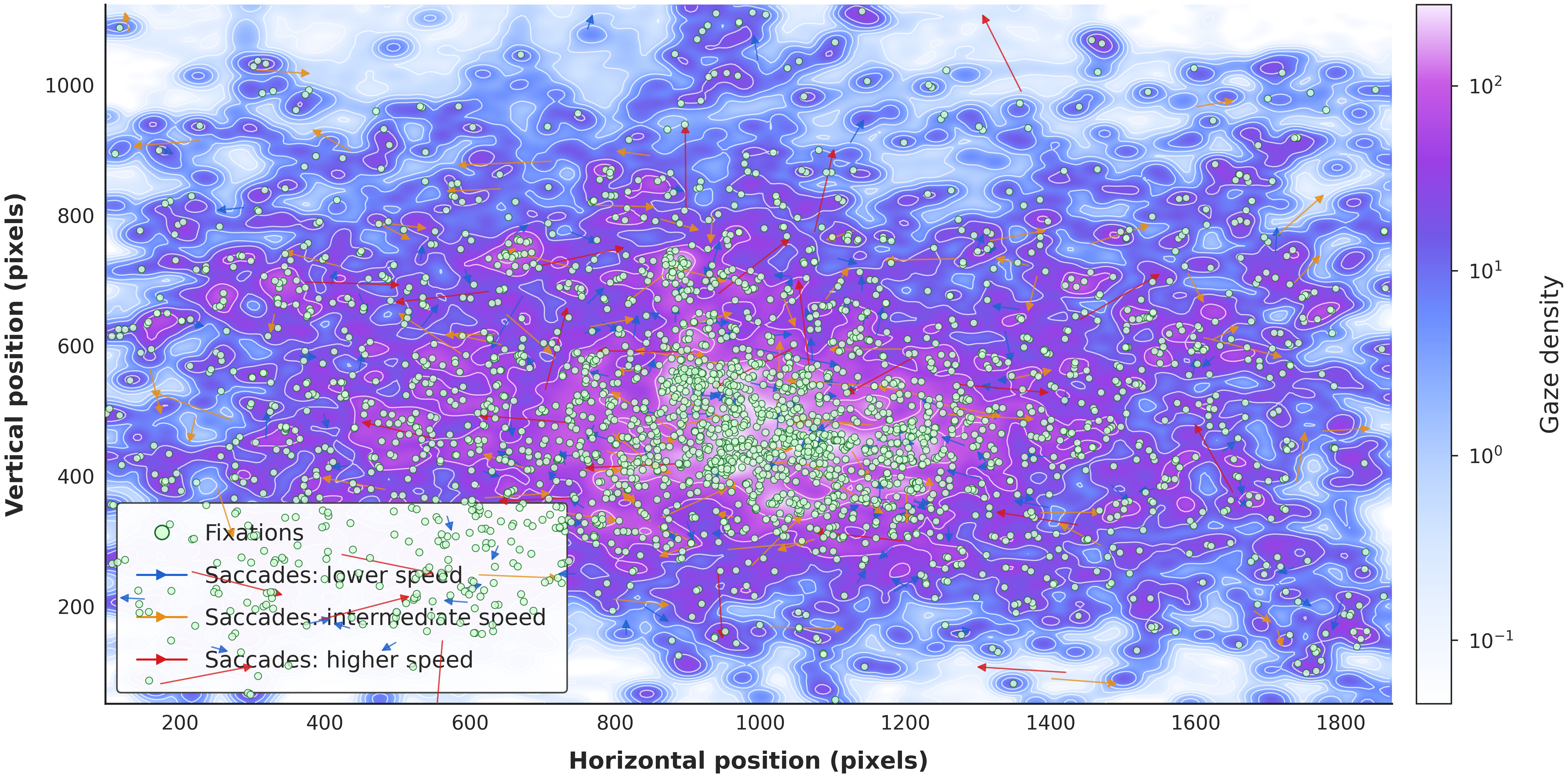
This programme develops and evaluates generative models for eye-gaze time series, including GAN-based and diffusion-based approaches. A recurring question is whether synthetic trajectories reproduce marginal distributions together with temporal, directional, and dynamical structure.
Stochastic dynamics
Search, Lévy processes, and trajectory statistics
Related work studies intermittent search, Lévy-like motion, return intervals, jump-diffusion models, and evolutionary foraging. Mechanistic stochastic models are connected with empirical and simulated trajectories through statistical moments and distributional structure.
Quantum computation
Quantum and evolutionary computation
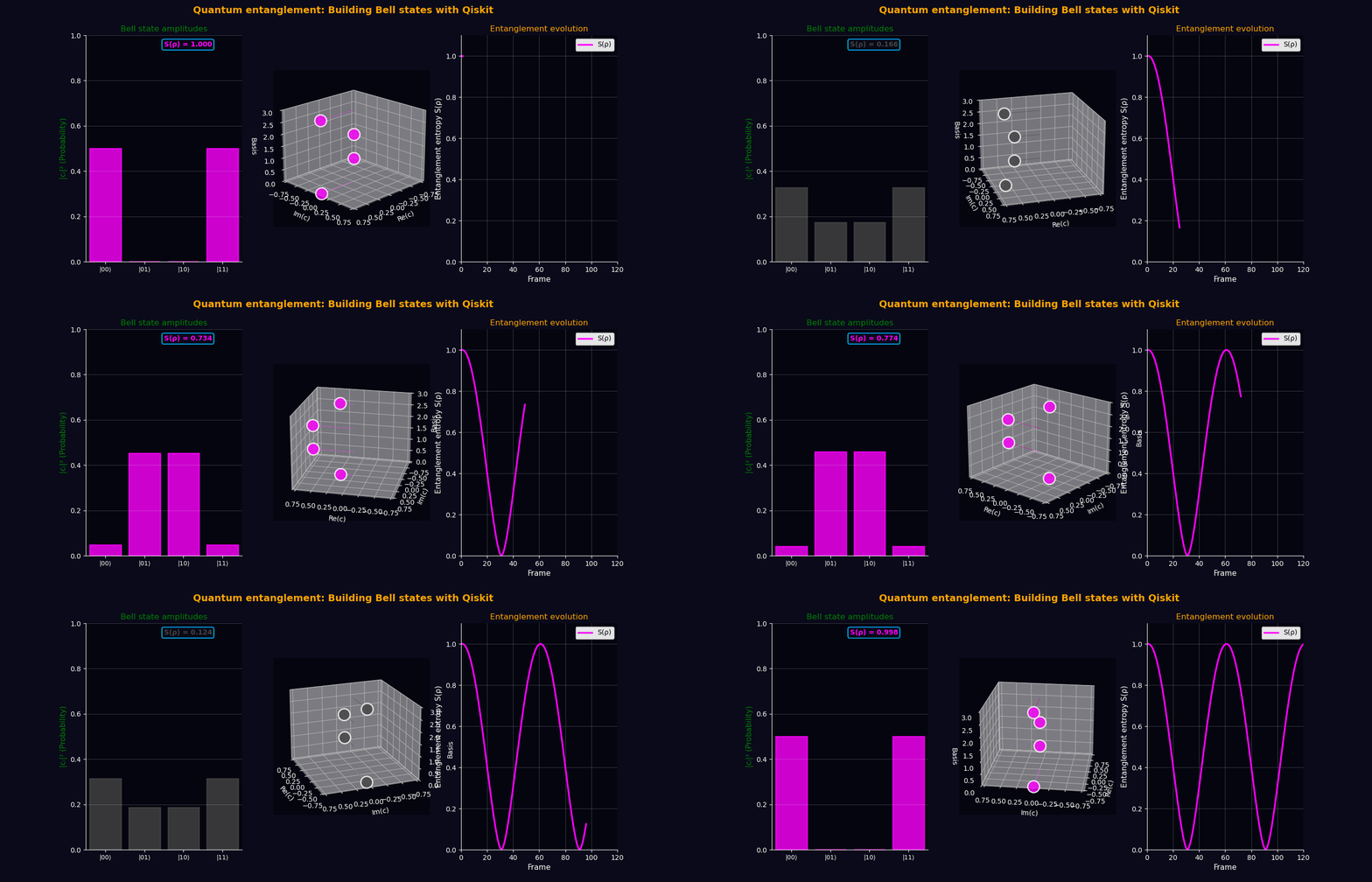
A second research line uses evolutionary algorithms to construct quantum circuits for Boolean operations, cellular automata, and highly entangled states. The emphasis is on circuit structure, robustness, compact representations, and the relation between evolutionary search and computational design.
Projects and software
Selected computational work
Research code, simulation frameworks, and scientific software.
Loading projects…
Research output
Publications and preprints
The complete publication list is maintained from the BibTeX record used by this site.